Case studies
Case studies highlighting system-level UX strategy, accessibility alignment, and scalable digital architecture.

Case studies highlighting system-level UX strategy, accessibility alignment, and scalable digital architecture.
Large-scale digital systems require more than components. They require structure, shared standards, and alignment across teams.
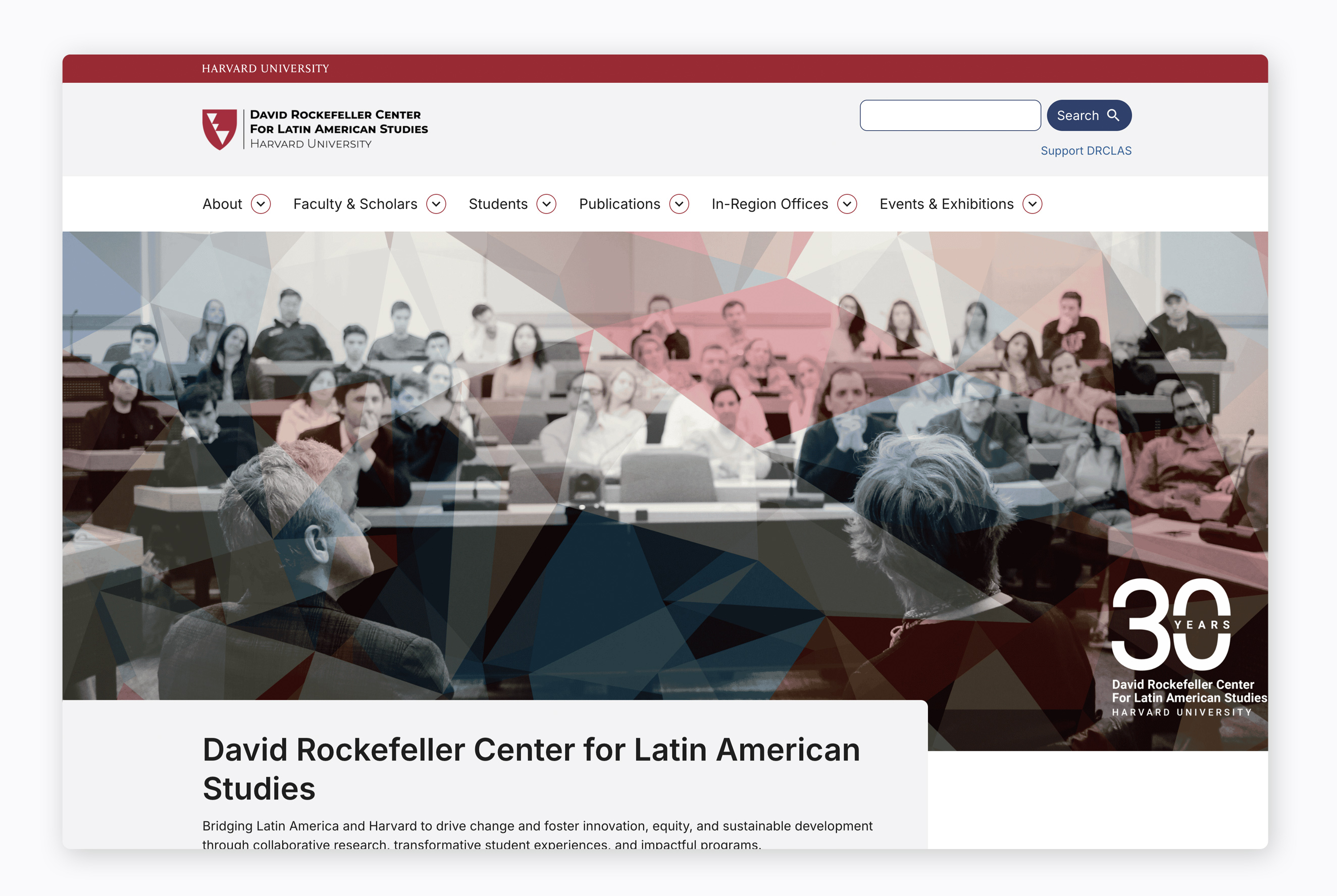
1,000+ sites unified • 60% faster builds • WCAG 2.1 AA
Led the evolution of a university-wide design system supporting distributed academic and administrative teams. Defined semantic architecture, aligned accessibility standards, and improved system-wide consistency.
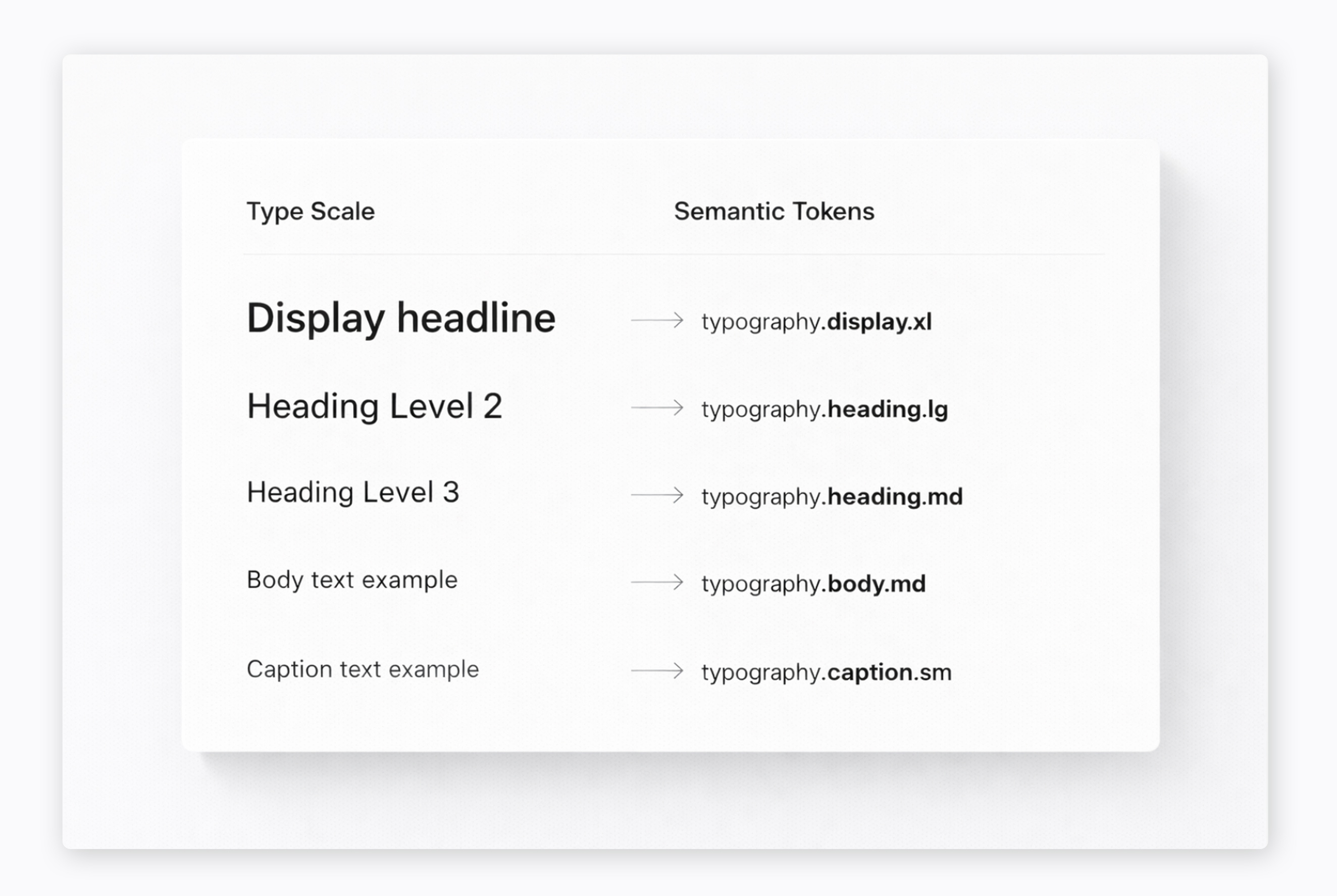
Semantic type scale • Structured token system • Accessibility by default
Defined a governed typography system and semantic token architecture designed to scale across multi-brand platforms while maintaining accessibility and consistency.
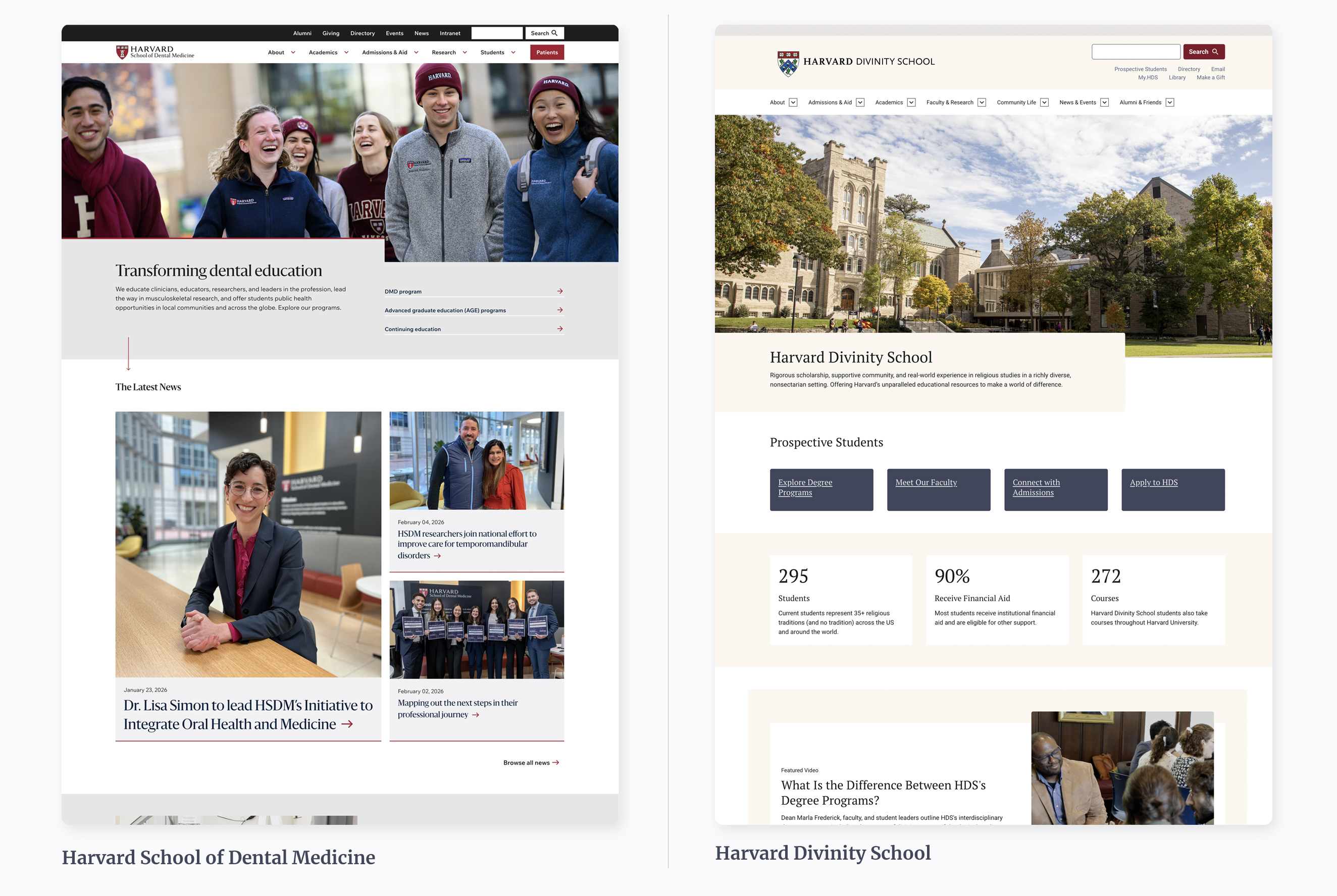
Core tokens • Semantic mapping • Controlled brand variation
Core tokens, semantic mapping, and controlled overrides to support multiple brands without fragmentation.
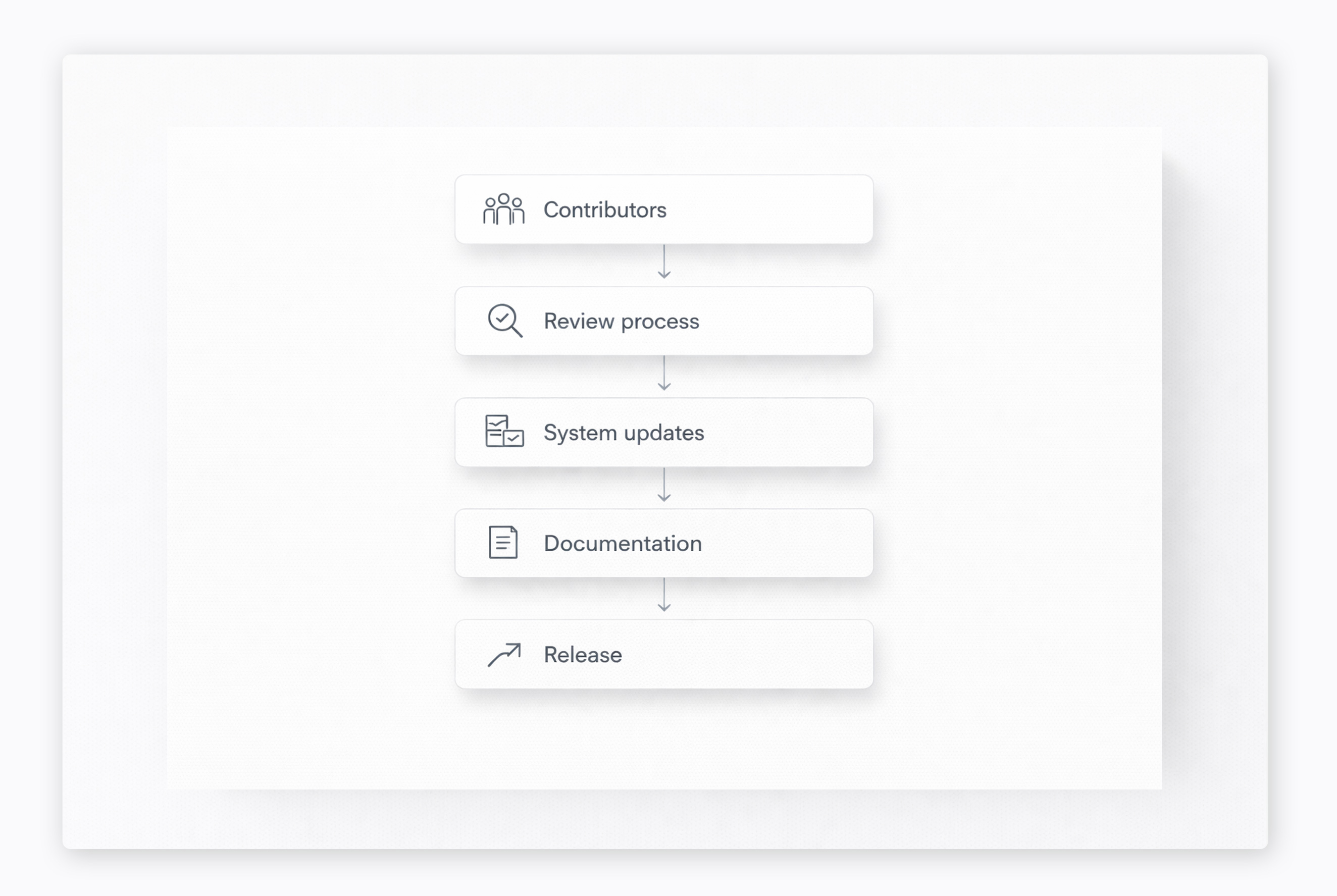
Contribution model • Workflow alignment • Cross-team adoption
Established structured contribution pathways, semantic standards, and shared system principles to support long-term platform sustainability.
Occasionally, I take on focused UX engagements outside of large-scale system work. These projects emphasize research, clarity, and measurable impact.
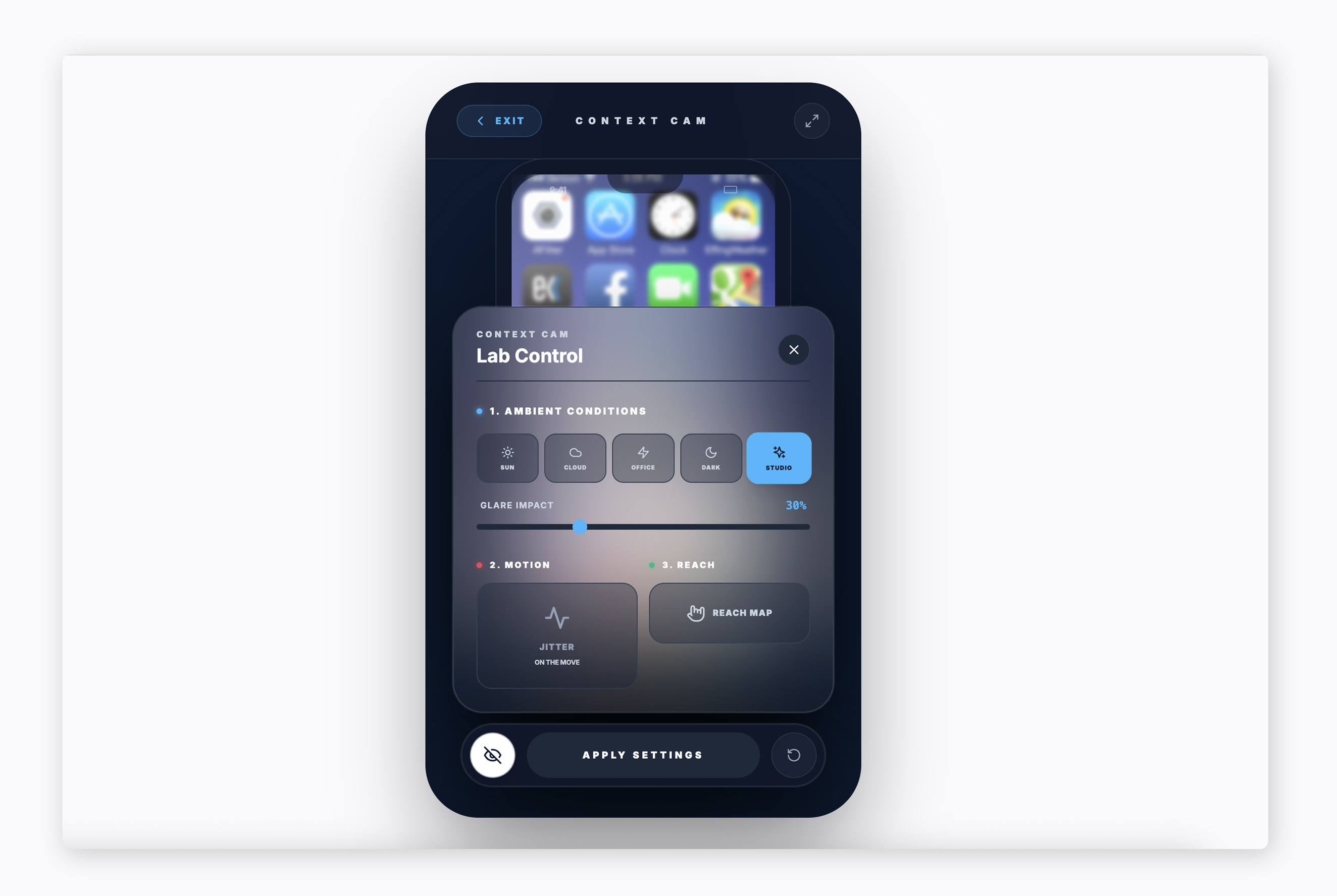
Simulated environmental conditions to validate real-world digital interaction. Role: Product Designer & Technical Strategist Duration: 4 weeks
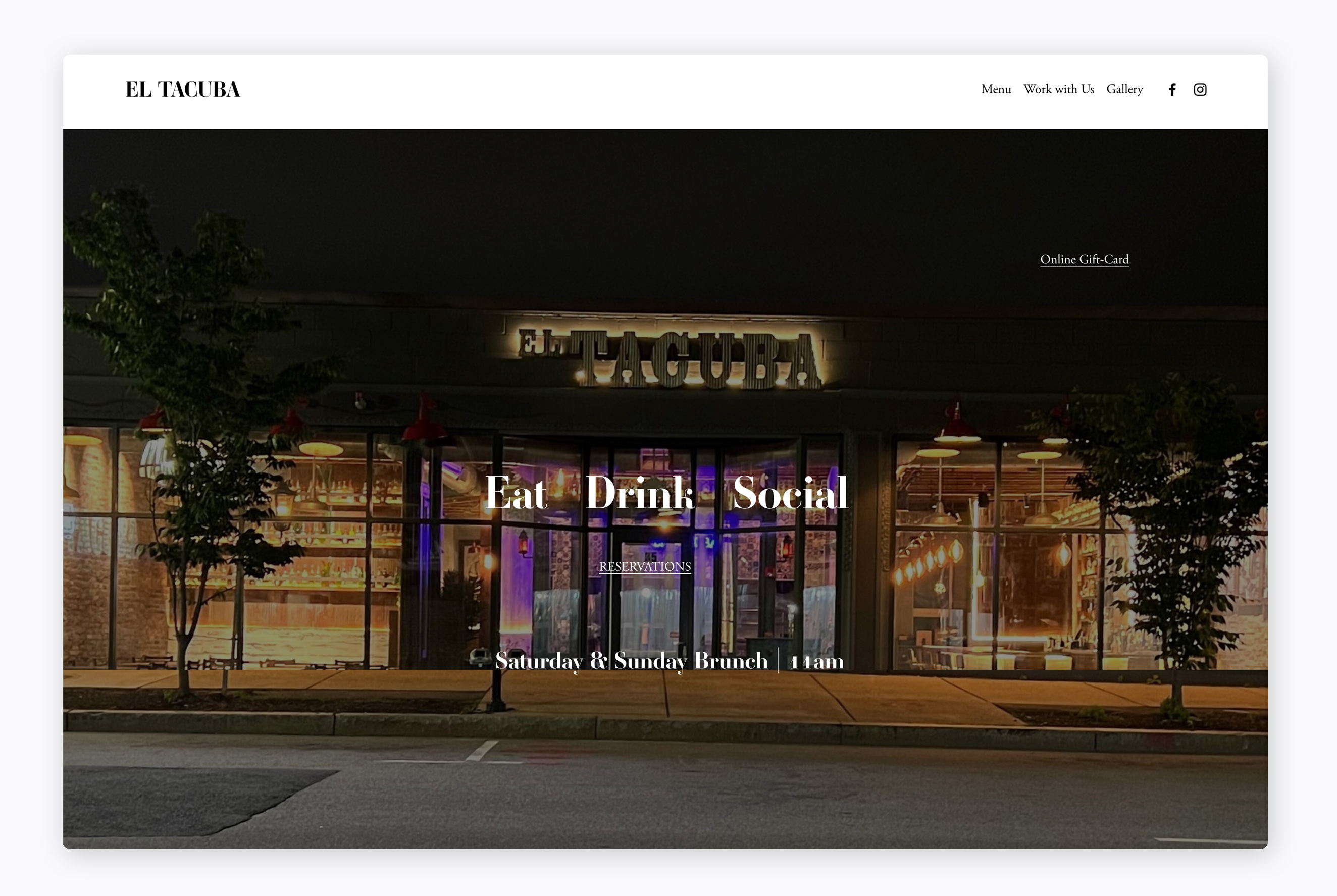
Defined brand identity and digital presence for a hospitality launch. Role: Independent designer Duration: 3 months
Ready to transform your digital design process with accessible, scalable systems?